Handleless Kitchens – The Pros and Cons
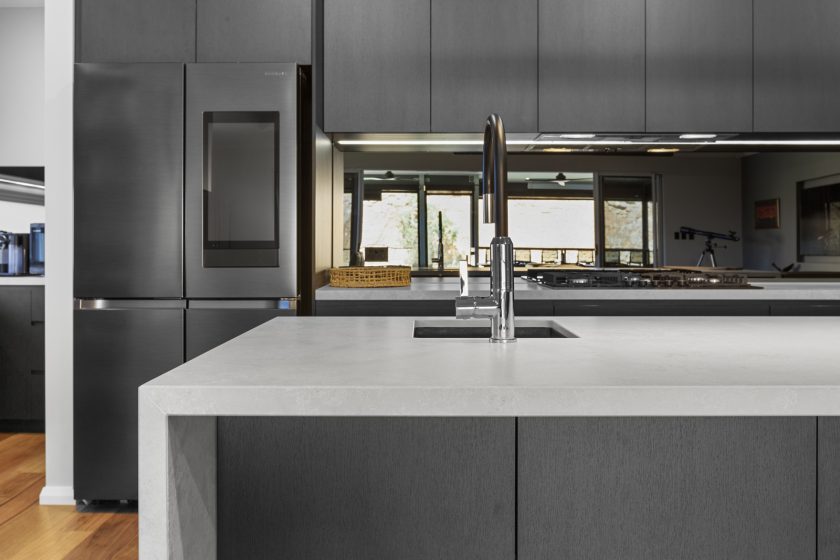
The handleless kitchen isn’t new, it has been around since the 60s and has come and gone from kitchen designs over the years. Let’s take a deep dive into handless kitchens – the pros and cons and decide if this is the design direction for you.
The idea of going handleless
We have seen a revival for minimalist interiors. Handleless kitchens offer a modern, simple and clean look and negate the need for handles and knobs. If this is the look that you are going for, we are going to weigh up the good and bad elements of this style.
-
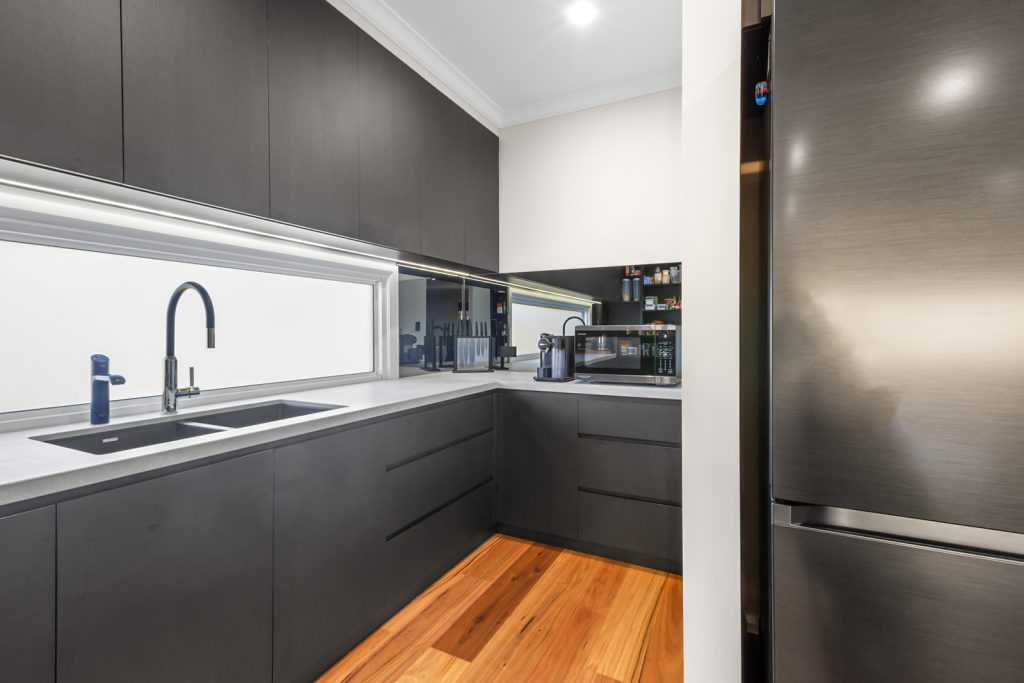
- Handleless kitchen, Walker Flat
-
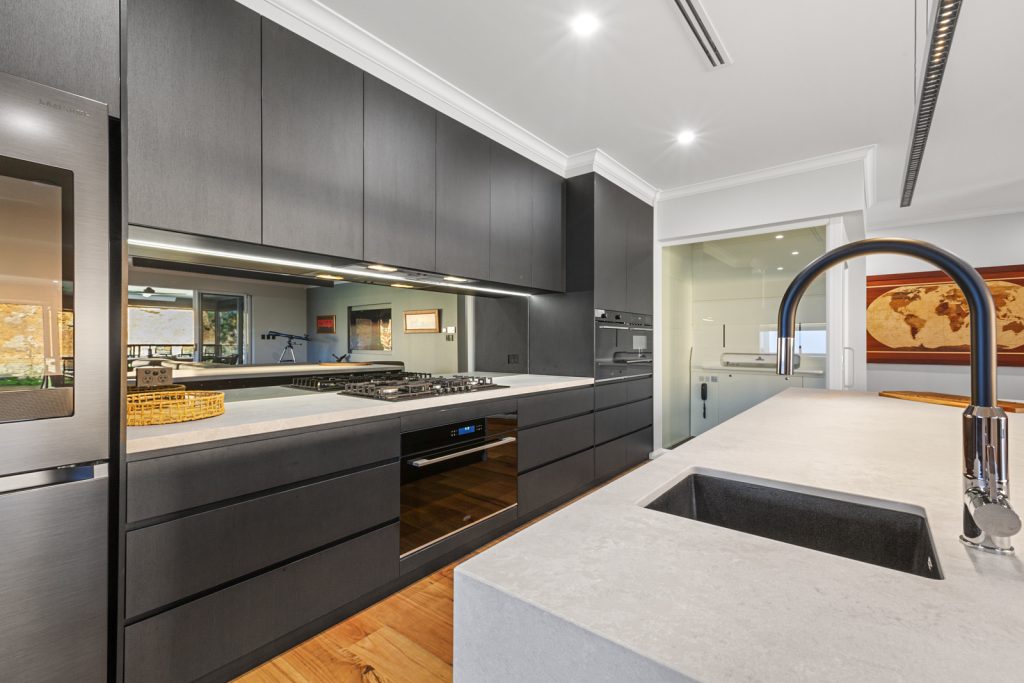
- Handleless kitchen, Walker Flat
Handleless options
An integrated design is our most popular choice and features a continuous integrated groove along one edge. It acts as a hidden handle to be able to grip the door or drawer. Upper cabinetry can also be built as overhang doors which are slightly longer than the cabinet carcass inside, creating a lip to grab onto.
-
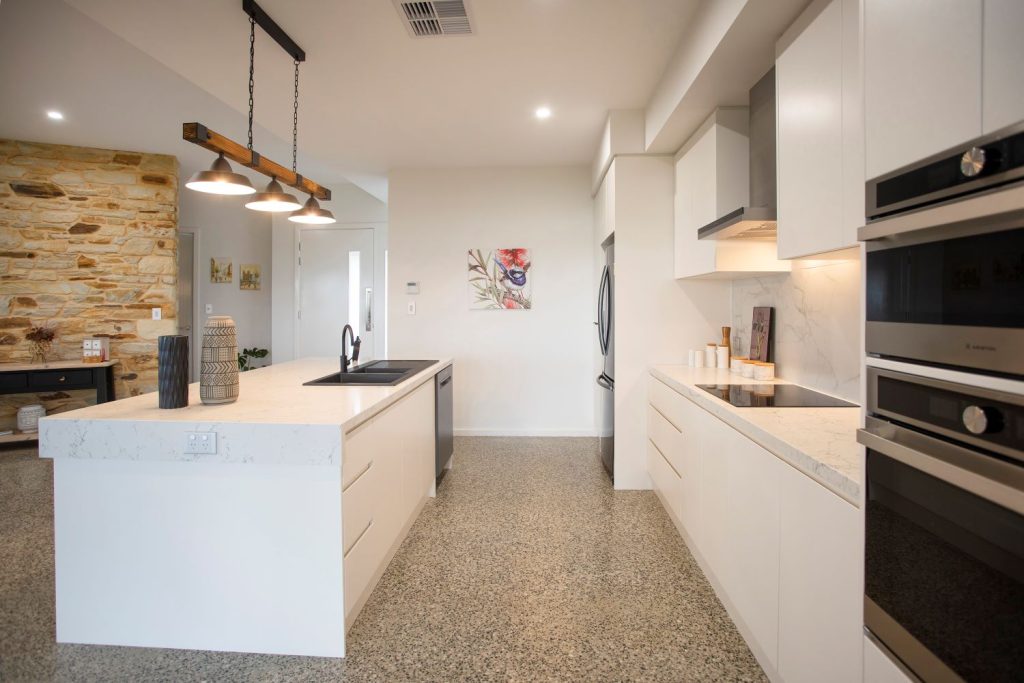
- Integrated design, Harrogate
-
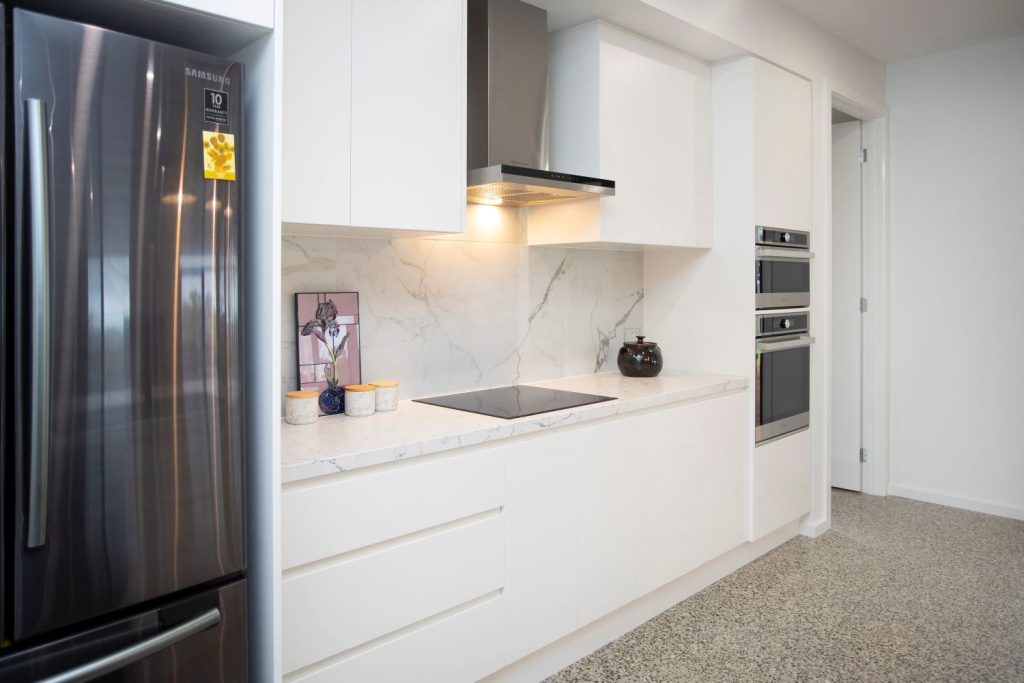
- Integrated design, Harrogate
Push-to-open doors and drawers feature a special mechanism that pops open with a gentle push on the front of the cabinetry. This option removes the need for an integrated groove as the cabinetry looks the same as if a handle would be installed. They simply require the same motion to close and secure the door or drawer when you are done.
The pros of a handleless kitchen
Style: if contemporary is the style you are going for, handleless are spot on. It creates a simple and functional look while staying minimalistic.
-
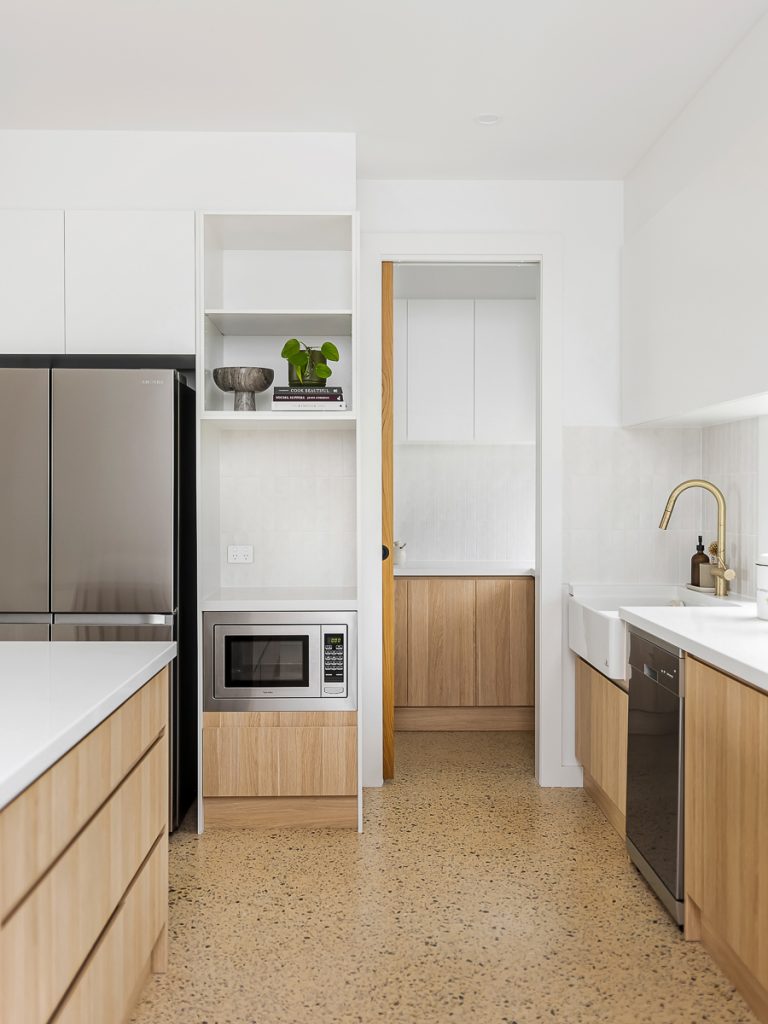
- Contemporary kitchen, Middle Beach
-
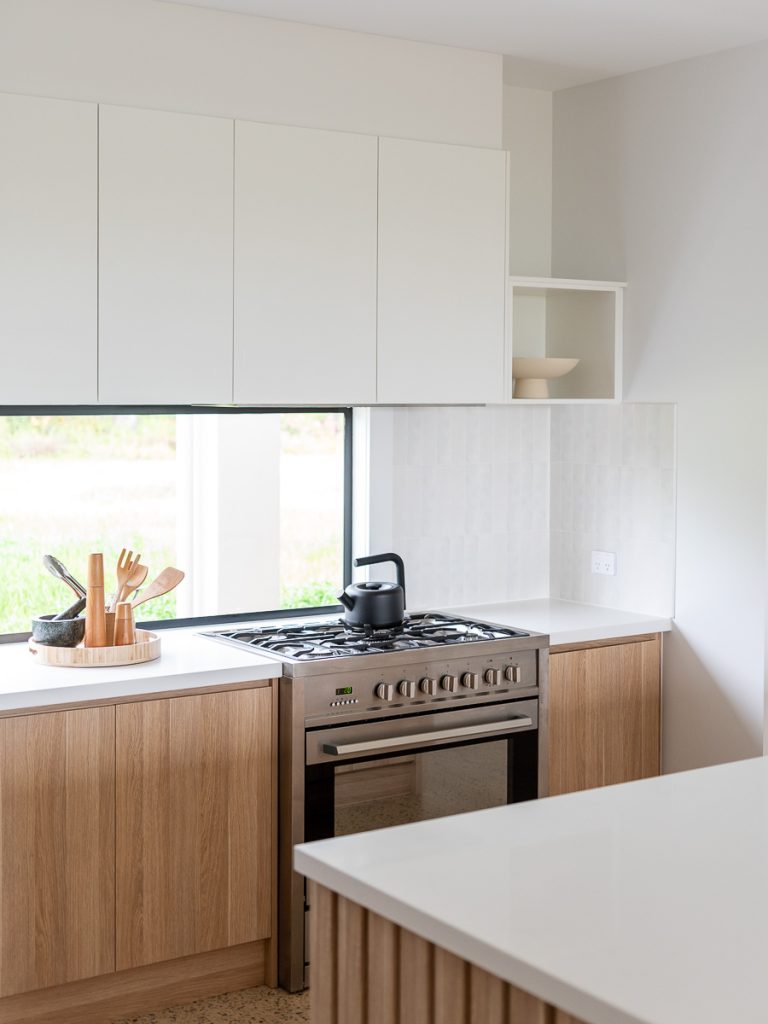
- Contemporary kitchen, Middle Beach
Safer: there is nothing to get your sleeves caught on, little heads to hit or pet collars to catch (an actual risk, I am speaking from experience here) as there is nothing protruding out into your kitchen.
Integration: if you plan to integrate appliances, handleless will help with ‘hiding’ your appliances and can still draw attention to other visual aspects of your kitchen. Maybe your stone benchtops or stunning tapware are the feature you wish to show off.
Space: handleless offers fluid movement through the room without handles and knobs in the way – both visually and physically. The cabinetry appears to take up less space and create a more open feel.
Cleaning: there are no handles to collect dust. But wait…
The cons of a handleless kitchen
Cleaning: yes, cleaning is both a pro and con. An integrated groove can be an annoying spot for drips and crumbs to catch, however, so can some handles that have flat tops (also speaking from experience here). Push-to-open have a similar issue for glossy cabinetry options or those finishes where fingerprints really show up. Even the classic white option will show every finger that touches it, clean fingers too.
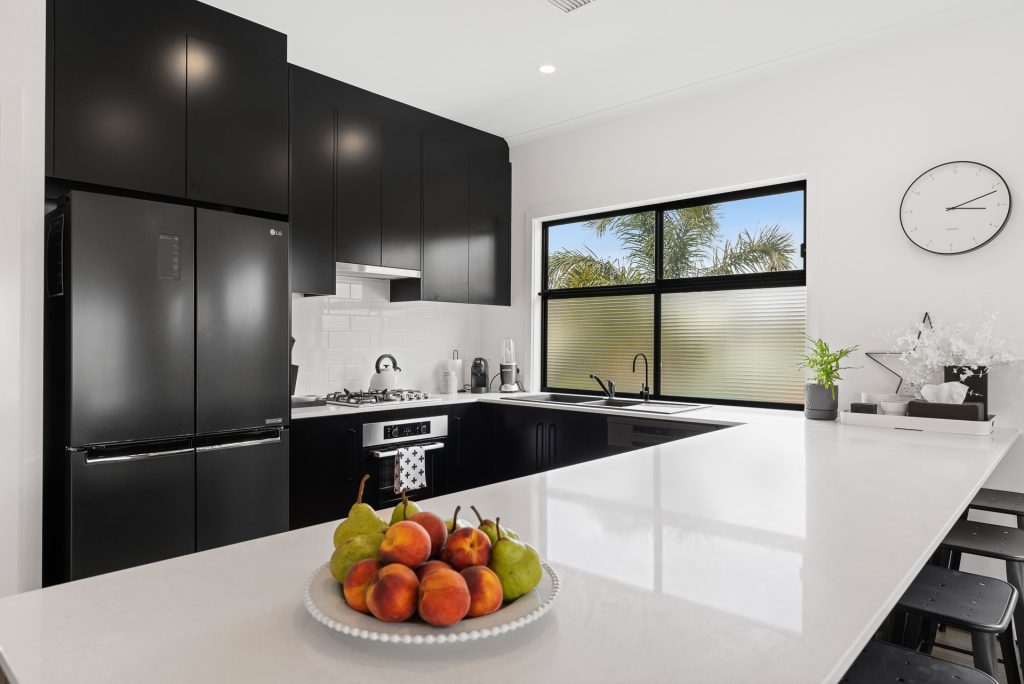
Fingerprint prone cabinetry, Encounter Bay
Price: unfortunately, just because you aren’t selecting handles, it doesn’t make this a cheaper option. Finger-pull doors and drawers require a different manufacturing process which is more time consuming. Or push-to-open require a mechanism for each door/drawer which is also an additional cost.
Self-opening: yes, you guessed it, if you lean on a door or drawer fitted with a push-to-open mechanism, they will pop open. Quite frustrating if you are a leaner (I can relate) or if you have little leaners in the house.
Breakages: handles rarely break. At most they may come unscrewed. Mechanisms for push-to-open do break. There is a higher chance that these will need replacing over time, particularly for busy kitchens.
Grasping: the integrated option can be hard to grasp for someone with mobility issues or long fingernails. And push-to-open is nearly impossible if there isn’t enough hand strength. Most handles make opening and closing easier for these situations as there is something to grip.
Style: if you are going for the more traditional look, like the ever-popular Hamptons style. handles add to your style and are an important element in bringing the space together.
Mixing it up
We have focused on going one way or the other, however, there is also the option to mix it up and have part of your cabinetry fitted with handles and some without. This is what I have in my own kitchen. In fact, I have three different options – handles, push-to-open and overhung overheads.
Combining functionality allows you to create a kitchen that accommodates your needs and add some artistic flare to your kitchen too.
-
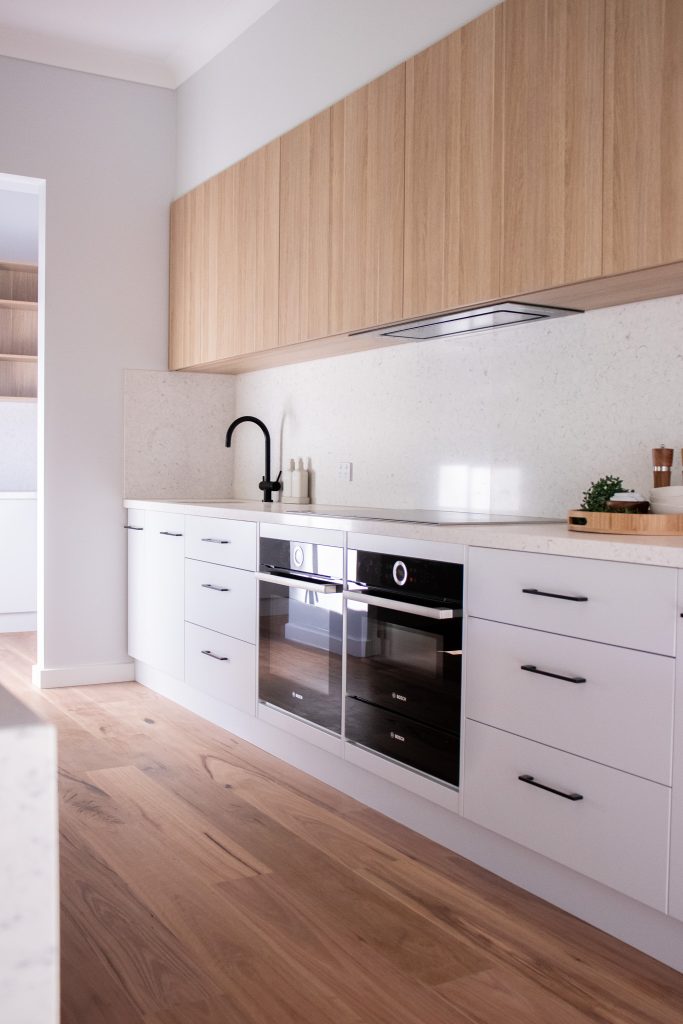
- Mixing it up, Coromandel Valley
-
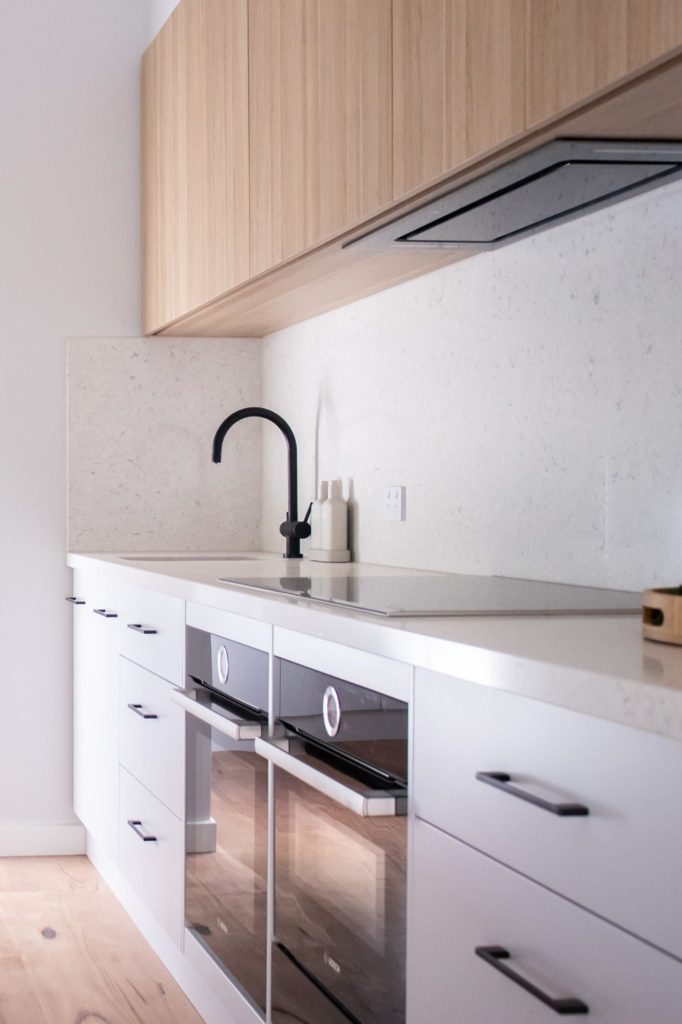
- Mixing it up, Coromandel Valley
Final verdict
There are lots of pros and cons above for you to consider. For the final verdict, we will leave that decision to you, especially because your house has to be exactly as you pictured it.
Looking to start your built on-site home building journey? Check out Our Projects to view some of our completed and future builds or Contact Us to start today.
By Amy Rosendale